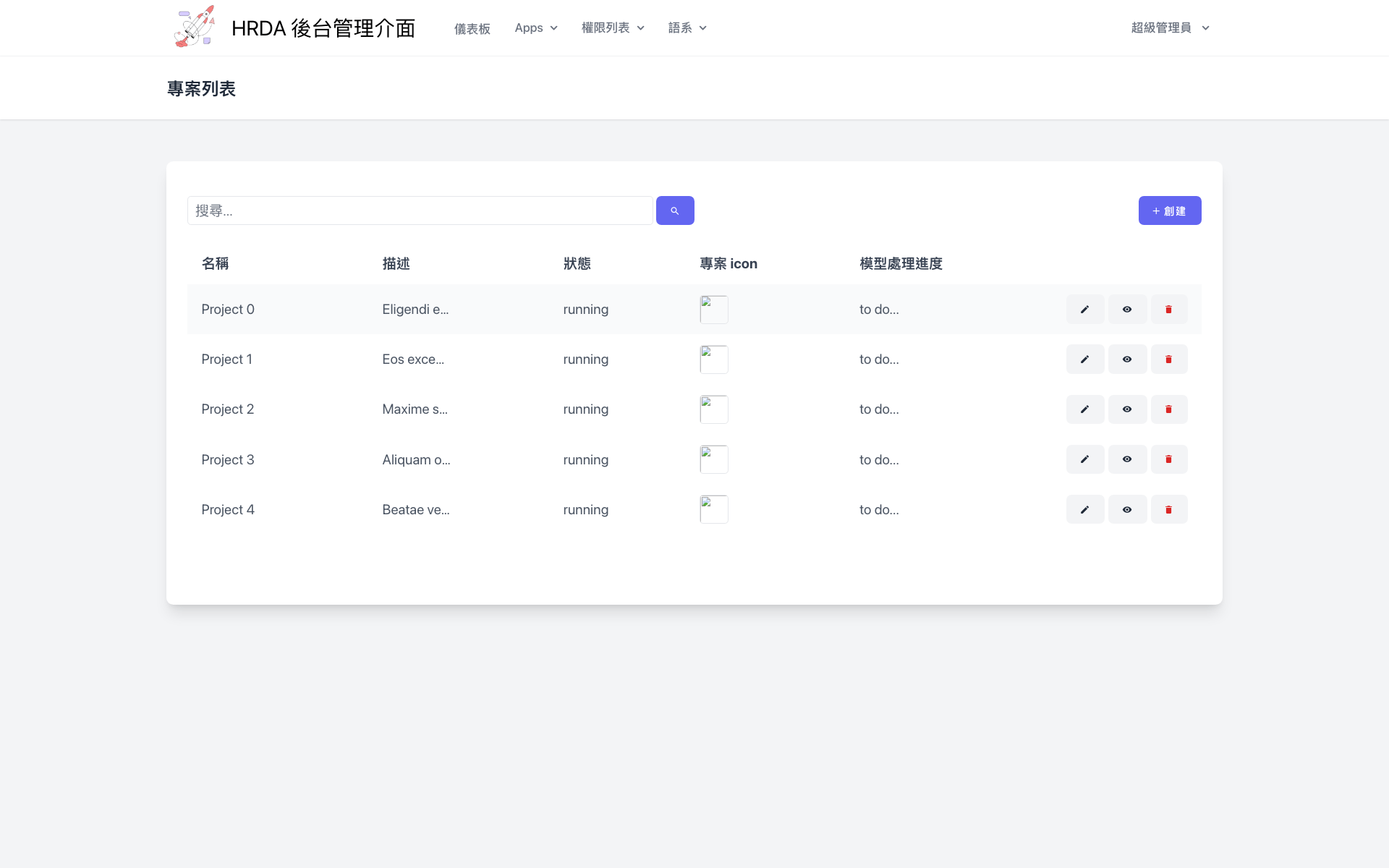
Project Overview
Providing a platform for researchers to upload survey data and analyze it through different AI models. Supporting multilingual functionality with complex data permission management mechanisms, offering powerful data analysis tools for academic research.
Project Type: Research Data Platform
Development Time: March 2023
Main Technologies: Laravel, Livewire
Key Features: Multilingual, AI Integration
Deployment: Docker Containerization
Project Scope
Responsible for developing the platform for researchers to upload data, AI part handled by other teams. The project focuses on building a stable, secure, and user-friendly data collection and management platform, providing a high-quality data foundation for subsequent AI analysis.
Core Features
Research Data Management Platform
Providing researchers with complete survey data upload and management features. The system design emphasizes data accuracy and completeness, ensuring research data can be smoothly delivered to AI analysis models for processing.
Through an intuitive user interface, researchers can easily manage research projects, upload survey data, and view analysis results, significantly improving research efficiency.
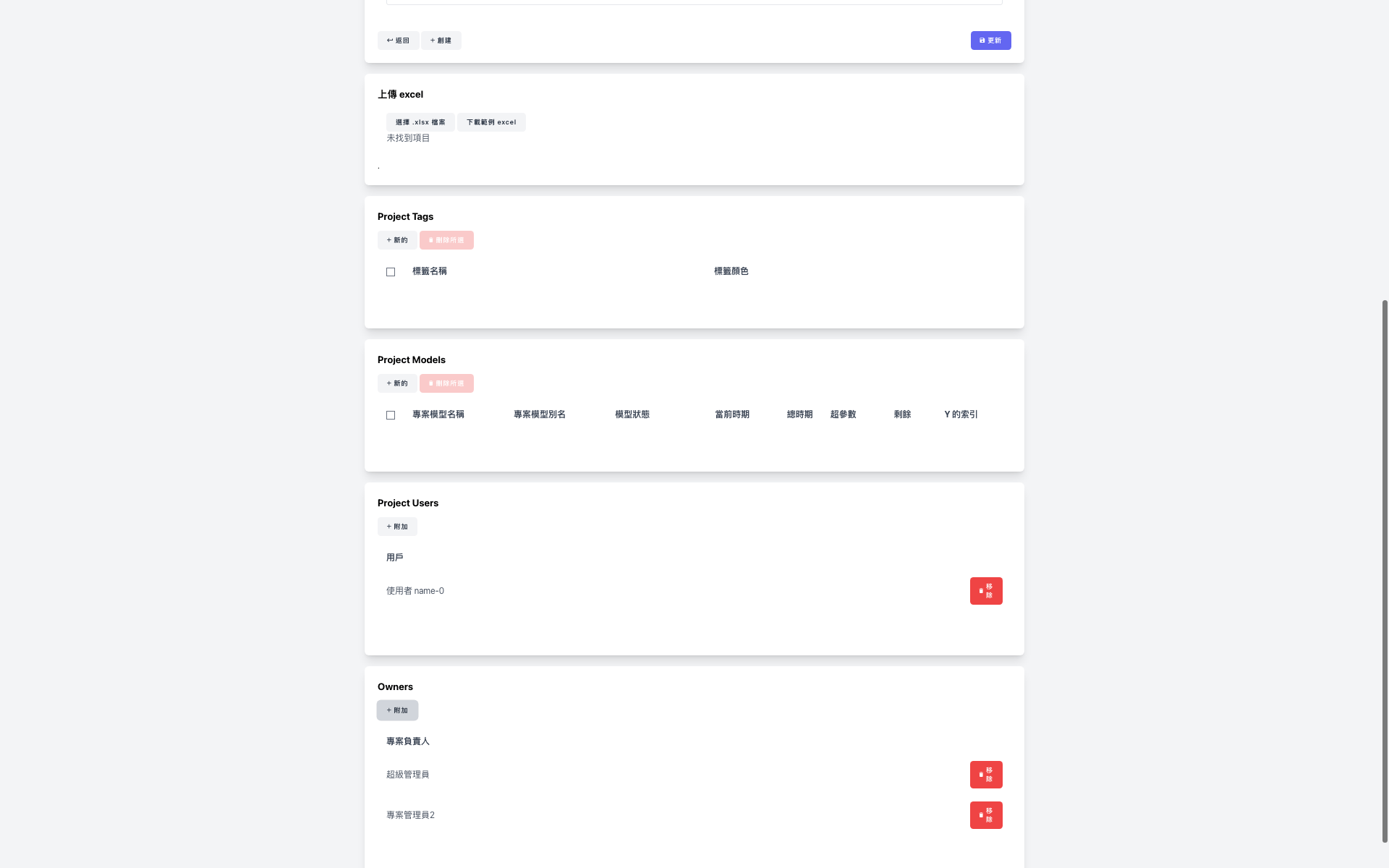
HRDA data management and analysis features demonstration
Multilingual Support
Using Laravel-localization to implement complete multilingual functionality, supporting researchers from different countries
Complex Permission Management
Implementing detailed data permission control to ensure research data security and privacy protection
AI Model Integration
Providing complete interface with AI analysis models, delivering collected data to AI team for analysis
Data Visualization
Providing clear data statistics and visualization charts to help researchers understand data distribution
Backend Technical Details
Multilingual Implementation
Worth mentioning is the use of Laravel-localization to handle multilingual functionality. Through this package, the system can automatically detect user language preferences and provide corresponding interface languages, allowing researchers from different countries to smoothly use the platform.
Data Permission Control
The permissions are divided into data permissions, which are slightly more complex. The system needs to ensure that each researcher can only access their own research project data, while also supporting permission sharing mechanisms for team collaboration. Through detailed permission design, data security is ensured while providing flexible collaboration features.
Frontend Technology
Using Livewire to build interactive user interfaces, making the data upload and management process smoother. Livewire's real-time update feature allows users to immediately see operation results, improving overall user experience.
Deployment Architecture
The project uses Laradock for containerized deployment, ensuring consistency between development and production environments. Through Docker containerization technology, the deployment process is simplified, facilitating future expansion and maintenance.
Technologies Used
Server
- Laradock (Docker Containerization)
Backend
- Laravel Framework
- Livewire - Interactive UI
- Laravel-localization - Multilingual Support
Data Management
- MySQL Database
- Complex Permission System
- Data Validation and Cleaning
Deployment Tools
- Docker
- Laradock
Project Features
Academic Research Oriented
The system is specifically designed for academic research, deeply understanding researchers' needs. From data collection, organization to analysis, the entire process is carefully planned to ensure the quality and reliability of research data.
Team Collaboration
Close collaboration with AI team to ensure data format and transmission methods meet AI model requirements. Through clear API interface design, front-end and back-end teams can collaborate efficiently.
Scalability
The system architecture design considers future expansion needs, whether supporting more AI models, adding new data types, or expanding user numbers, all can be smoothly implemented.